
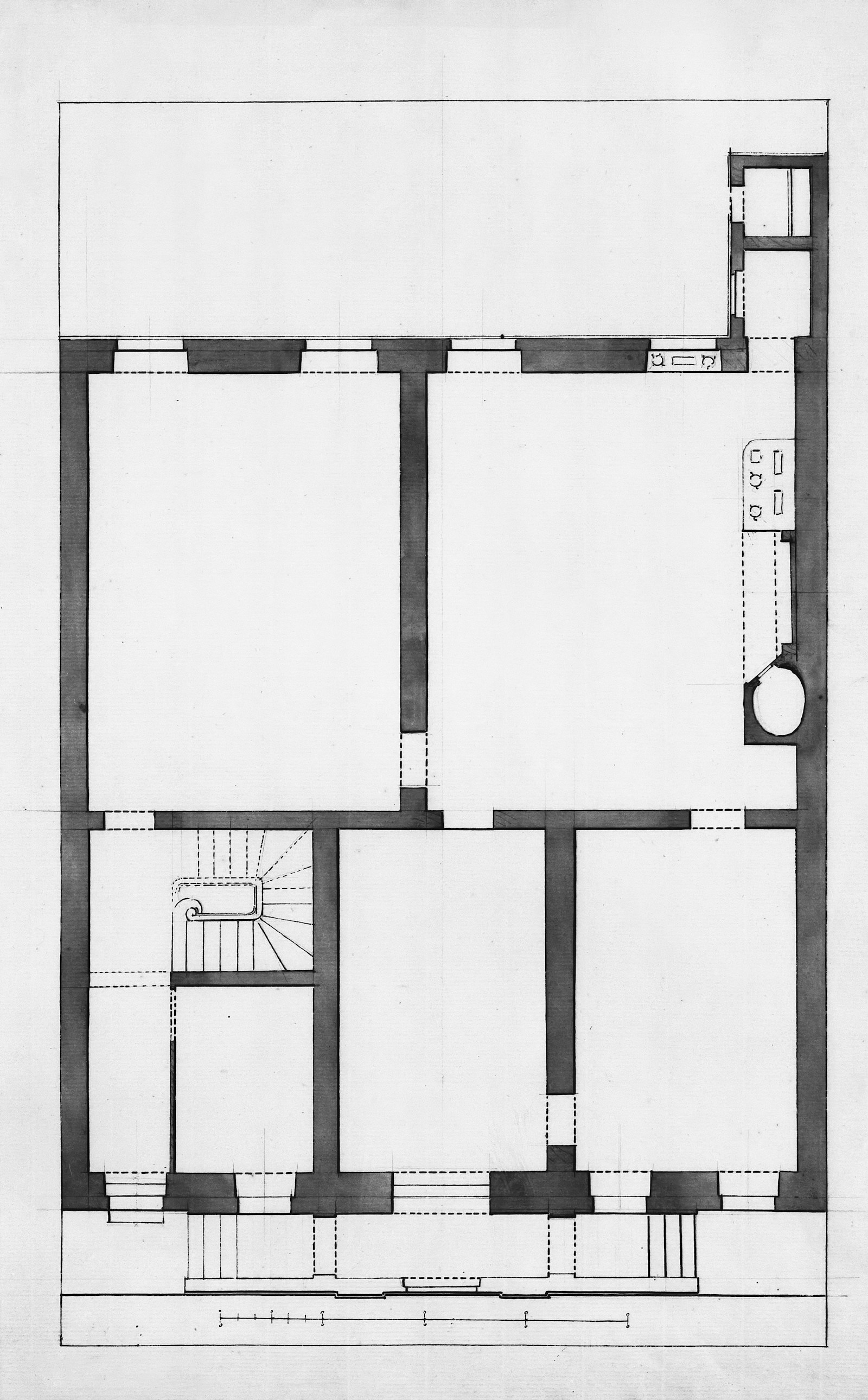

Los consejos de feng shui pueden parecer dispersos: revisar la entrada, corregir esquinas faltantes o comprar un remedio. El método de los nueve palacios les da un punto de partida común al convertir el plano en un mapa.
Cuando la vivienda queda dividida en nueve zonas, resulta más fácil distinguir una debilidad real de un detalle que solo parece extraño y decidir qué merece atención primero.
Esta guía explica para qué sirve la cuadrícula, dónde suelen fallar los primeros intentos y qué partes de la casa conviene revisar antes que nada.
¿Qué te deja ver de verdad la cuadrícula de nueve palacios?
La cuadrícula de nueve palacios no sirve porque se vea mística. Sirve porque convierte tu casa en un mapa que puedes leer.
Cuando divides el plano en nueve zonas, las sensaciones vagas se convierten en preguntas concretas:
- ¿El centro de tu casa está cargado o respira?
- ¿La energía entra limpia o se traba desde la puerta?
- ¿Hay alguna parte del contorno que falta o está comprimida?
- ¿Dónde caen realmente tu dormitorio y tu zona de trabajo?
Por eso resulta útil para principiantes. Antes de emitir un diagnóstico, el mapa debe estar lo bastante claro para que ese diagnóstico tenga sentido.
Lo que más se lee mal al principio no son las reglas: es el plano
Muy pocas casas modernas son rectángulos perfectos. Hay balcones retranqueados, pasillos que recortan bordes, baños pegados a esquinas y cocinas que sobresalen. La huella de planta rara vez es tan clara como parece.
Ahí es donde la gente se equivoca. No porque la teoría sea complicada, sino porque reaccionan a lo que parece raro en vez de a lo que realmente cae en una zona importante del mapa.
Por eso un ajuste razonable puede no producir cambios perceptibles: la lectura inicial del plano ya era incorrecta.
Antes de interpretar nada, aclara estos cinco puntos:
- El contorno exterior de tu casa
- Dónde está la puerta principal
- El centro aproximado
- Dónde caen dormitorio, cocina y baño
- Si hay faltantes o salientes evidentes
Con eso claro, todo lo demás se vuelve mucho más estable.
Los 3 errores típicos al usar la cuadrícula de nueve palacios por primera vez
1. Querer que el dibujo quede perfecto
No hace falta conocer cada medida y cada pared con exactitud antes de empezar. En una primera lectura, la forma general, el borde y la relación entre los espacios importan más que la precisión milimétrica.
2. Ver un recorte y gritar "esquina faltante"
Este es, de lejos, el error más común. A veces lo que tienes es un balcón que entra un poco o un pasillo que estrecha el borde. Eso no significa automáticamente que la zona esté ausente de verdad.
Si etiquetas cada retranqueo como faltante demasiado pronto, vas a terminar corrigiendo de más. Es más fiable colocar primero la cuadrícula y luego ver si un cuadrante está realmente ausente o claramente más pequeño que los demás.
3. Fijarte solo en las habitaciones y olvidar el flujo
Además de ubicar cada habitación, conviene observar cómo se mueve la energía dentro de la casa.
Si el camino desde la entrada hasta la zona principal está bloqueado y encima el centro está lleno de cosas, la casa se puede sentir pesada, desordenada y agotadora, incluso sin ningún "gran problema" de feng shui. Ese tipo de fallos de flujo suelen merecer atención antes que cualquier adorno.
Si estás empezando, mira primero estas 3 zonas
Empieza por la entrada
La entrada es donde antes se nota cualquier mejora. Primera vista desordenada, suelo saturado, llegada apagada... todo eso baja el tono de la casa entera.
Si solo vas a arreglar una cosa, empieza por ahí.
Después el centro
El centro se suele ignorar porque no parece una habitación "de verdad". Pero en la cuadrícula de nueve palacios tiene un peso enorme en la sensación de estabilidad.
Cuando el centro está cargado, la casa entera puede sentirse dispersa o plana. No hace falta decorarlo con nada especial. Solo necesita tres cosas:
- Que se pueda cruzar bien
- Que no esté saturado
- Que tenga algo de aire visual
Y después tu zona base personal
Para la mayoría de los adultos, eso es el dormitorio o el lugar donde trabajan muchas horas. Esos dos espacios importan más que un salón bonito, porque afectan directamente al sueño, la recuperación y la concentración.
En vez de intentar arreglar toda la casa de golpe, pregúntate: ¿el lugar del que más dependes cada día se siente claro, sostenido y sin presión?
¿Cuándo conviene usar una herramienta en vez de dibujarlo a mano?
Si tu casa es bastante regular, dibujar la cuadrícula a mano sirve para aprender. Pero una herramienta ayuda muchísimo más cuando:
- La planta es irregular
- No tienes claro dónde cae el centro real
- Sospechas que hay faltantes o salientes
- Quieres ver puerta, habitaciones y orientación en un mismo mapa
En esos casos, es mucho más sensato marcar el plano una vez que seguir adivinando a ojo.
Si quieres aclarar el mapa antes de decidir qué es importante, usa la herramienta de la cuadrícula de nueve palacios para marcar tu plano directamente.
Lo que yo no haría en una primera lectura
- No cambies cinco cosas a la vez.
- No vayas detrás del titular más alarmista que encuentres.
- No compres remedios antes de tener claro que el mapa está bien leído.
La fuerza de la cuadrícula de nueve palacios no está en empujarte a hacer más. Está en ayudarte a ordenar qué va primero.
Qué leer después
Después de la primera lectura, elige el siguiente tema según el problema que hayas encontrado:
- Si sospechas que el problema está en el borde del plano: ¿Esquinas faltantes en casa? 3 ajustes simples que sí funcionan
- Si quieres entender el momento anual y las prioridades de 2026: Guía completa de feng shui en casa para el año Caballo de Fuego 2026
- Si quieres sumar la capa personal, revisa: Guía de los Cinco Elementos del Maestro del Día
- Si quieres la lectura personal para 2026, sigue con: Resumen anual 2026 por elemento
- Si quieres referencias de ajustes por estancia, deja abierta esta guía: Guía rápida de curas y activadores
Usa el mapa para ordenar prioridades
El método de los nueve palacios vuelve legible la vivienda. Dibuja bien el mapa, revisa la entrada, el centro y tu zona base, y después decide si hace falta intervenir en algún otro lugar. Con el mapa claro, el siguiente paso deja de ser una adivinanza.