
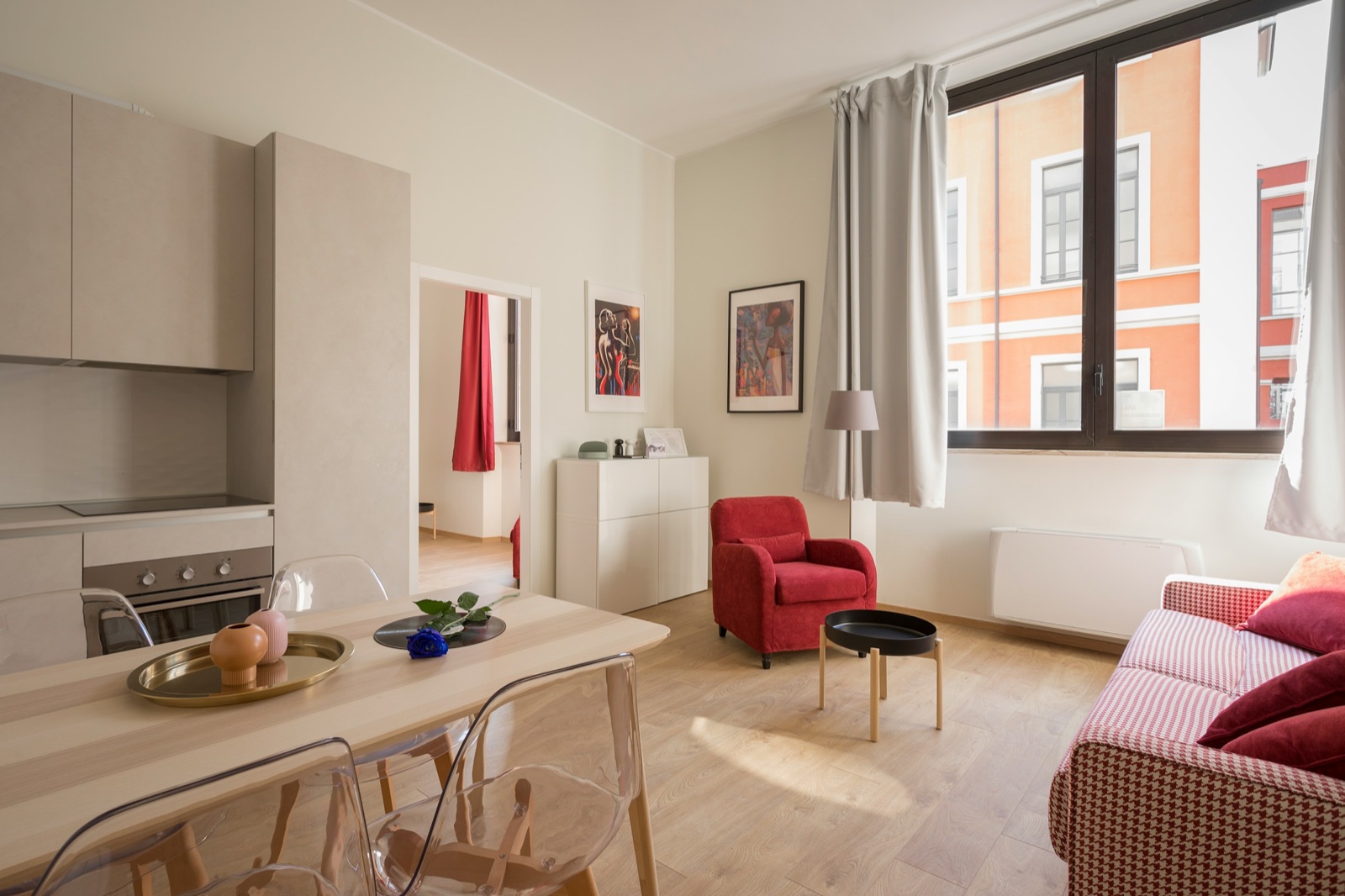

Much of the feng shui advice aimed at renters is impossible to use: move the stove, replace the front door, repaint the bedroom, or install a solid divider. The lease and security deposit make those changes unrealistic.
The good news is that a rental does not need a renovation before it can feel calmer and easier to use. Start with what you can control: the path you walk every day, the first thing you see when you enter, the boundary around sleep, and the amount of visual noise in the room.
Want to understand the whole layout before moving anything? Upload your floor plan for a free home check. You can then choose one small change instead of treating every room like a project.
The renter rule: improve the experience, not the property
In a rental, a useful adjustment should pass three tests:
- It makes daily movement or rest noticeably easier.
- It can be moved, removed, or packed without damage.
- It solves a real problem in your home, not a problem invented by a shopping list.
That usually points to rugs, lamps, curtains, trays, furniture placement, freestanding storage, and better routines. None of these sounds dramatic. That is exactly why they work well for renters: you can test them, live with them, and undo them.
Here are seven places to begin.
1. Clear one route before you organize the whole home
Do not start by emptying every cupboard. Pick the route you use most often, usually front door to kitchen, front door to sofa, or bed to bathroom, and make it easy to walk without turning sideways or stepping around bags.
Look for the small obstacles that create daily friction:
- Shoes spreading beyond the entry
- A chair that has become a laundry shelf
- Boxes waiting in a hallway
- A coffee table that pinches the only route through the room
- Charging cables crossing a walking path
Move or contain those first. In feng shui language, you are helping the home receive and carry movement. In ordinary life, you stop bumping into things. Both descriptions point to the same improvement.
2. Make the entrance feel like an arrival
Many rentals open directly into the living room or kitchen. Without a defined entry, outside life seems to spill across the entire home.
You do not need to build a foyer. Create a small arrival zone with two or three portable elements:
- A washable rug that marks the threshold
- A tray or narrow shelf for keys and small items
- One warm lamp if the landlord's ceiling light is harsh
- A compact shoe cabinet, basket, or bench if it does not narrow the path
- A removable hook rail rated for the wall surface
The goal is not decoration for its own sake. It is to answer, immediately, “Where do my shoes, keys, coat, and bag go?” When those objects have a landing place, the rest of the room is less likely to become the entrance.
If your door opens toward stairs, check the actual sightline before adding a bulky screen. Our guide to a front door facing stairs explains why a gentle pause can be better than a hard barrier.
3. Soften exposed sightlines with something movable
Some rental layouts feel exposed: the bed is visible from the front door, a desk faces the whole living area, or you can see straight from the entrance to a back window.
A full wall is not the only way to create a boundary. Try:
- A curtain on a tension rod
- A folding screen
- An open bookcase positioned safely and securely
- A tall plant with enough natural light
- A sofa turned to define the living zone rather than hug the wall
Keep the divider lighter than the problem. A narrow studio can become gloomy if a solid screen blocks its best window. You are looking for a visual pause, not a smaller and darker apartment.
Test the position for a week before buying anything permanent. Sometimes rotating the sofa or moving a floor lamp is enough to redirect attention.
4. Give the sleep zone more support
You may not be able to choose where the landlord put the bedroom door, window, or radiator. You can still make the area around the bed feel more settled.
Start with practical support:
- Use a stable headboard or place the bed against the most dependable wall available, while respecting ventilation and building safety.
- Keep at least one side easy to access instead of surrounding the bed with storage bags.
- Move work materials out of direct view at night, or close them inside a box or cabinet.
- Replace one overly bright bulb with a warmer bedside light.
- Use curtains, a rug, or soft textiles to reduce glare and echo where appropriate.
If a bathroom shares the bedroom wall, do not panic or start buying symbols. First manage noise, moisture, clutter, and the bed's immediate setting. The article on a bathroom next to the bedroom gives that layout more context.
5. Use removable color and texture instead of repainting
Rental walls are often white, grey, or a shade of beige chosen by someone who has never met you. You can still change the feel of a room without painting it.
Bring color closer to the places where you actually look and sit:
- A duvet cover or throw
- Cushion covers rather than a new sofa
- A rug that helps define a zone
- Framed art resting on a shelf
- Removable fabric panels or lease-safe wall strips, if your wall finish allows them
- A lampshade that changes the tone of evening light
Choose a small palette and repeat it. Five unrelated “feng shui colors” scattered around the room will usually look more restless than one or two tones used with intention.
6. Calm the most visible storage surface
Small rentals need storage. Advice that tells you to keep every surface empty or never store anything under the bed may be unrealistic.
Instead, reduce the storage you can constantly see. Pick the shelf, counter, or pile that dominates the room and give it a clearer edge. Matching boxes, one closed cabinet, or a curtain across an open rack can reduce visual noise without reducing capacity.
A simple rule helps: daily-use items stay easy to reach; occasional items go higher, deeper, or behind a door; things you no longer use leave the home.
Do not hide damp textiles, food, or unsafe loads just to make a room look tidy. Good storage should also be dry, stable, and easy to inspect.
7. Create a 15-minute reset you can repeat
The most renter-friendly “cure” is a routine that keeps your few high-impact zones usable.
Once or twice a week, set a 15-minute timer and reset only these areas:
- Clear the entrance floor.
- Return the main walking route to full width.
- Remove cups, clothes, and work items from the sleep zone.
- Empty one visible clutter surface.
- Open curtains and check whether any lamp needs replacing.
This is intentionally smaller than a deep clean. A routine you repeat will do more for the lived feel of a home than one exhausting weekend followed by six weeks of avoidance.
What you probably do not need to buy
Before ordering a “renter feng shui kit,” pause. Most homes do not need:
- A symbolic object for every corner
- A mirror placed only because a short video said so
- A heavy screen that blocks light or movement
- New furniture before you have tested the layout with what you own
- Storage containers for belongings you should first donate or recycle
If an object has no clear job in your daily life, it can easily become one more thing to store.
A move-out-safe checklist
Before installing any removable product, check the lease and the wall, floor, or window finish. “Damage-free” is a marketing term, not a guarantee for every surface.
Prefer changes that are:
- Freestanding or tension-mounted
- Light enough to move safely
- Away from heaters, exits, sprinklers, and electrical panels
- Tested on a hidden patch before adhesive is used
- Easy to photograph and reverse before inspection
Structural, electrical, moisture, mold, lock, or fire-safety problems belong with the landlord or a qualified professional. A layout adjustment should never disguise a building problem.
Start with the one place that bothers you every day
You do not have to “feng shui the whole rental.” Choose the moment that repeatedly feels awkward: entering with your hands full, walking around a table, seeing your desk from bed, or searching for keys every morning. Fix that experience first and live with the change for a week.
If the floor plan is irregular or you cannot tell which problem has the highest impact, use the free nine-grid home check to see the layout as a whole. Treat the result as a way to choose your next experiment, not a reason to buy ten remedies at once.